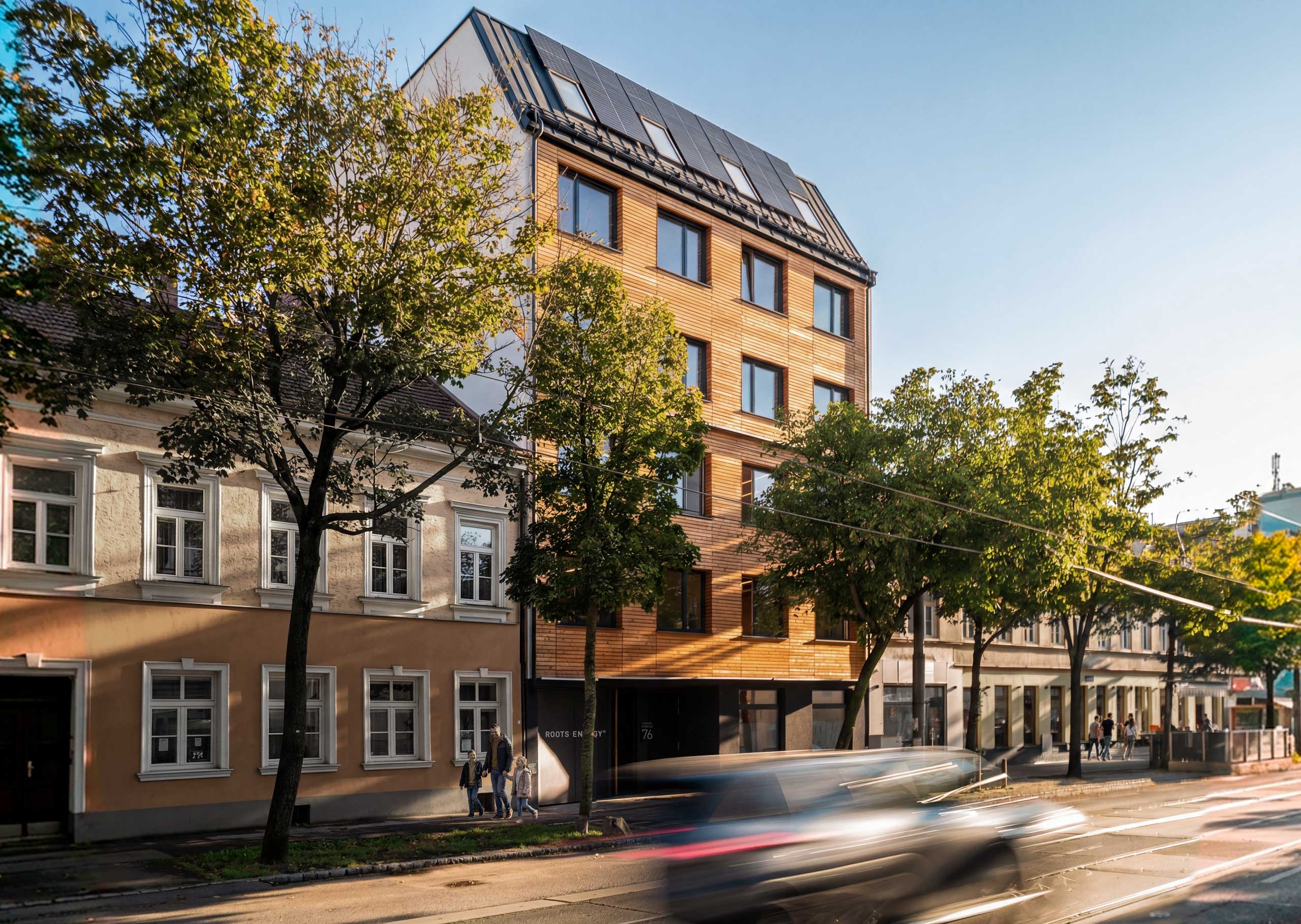
The Roots·House at Linzer Straße 76 in Vienna-Penzing

Development under our own roof.

We created the Roots·House to bring interdisciplinary product development together under one roof.

Focus areas

Urban heat, in series.

At the core of our development is turning local project work into system products. This is the precondition for leaving fossil heat behind quickly and in large volumes. We work towards it along three development steps.

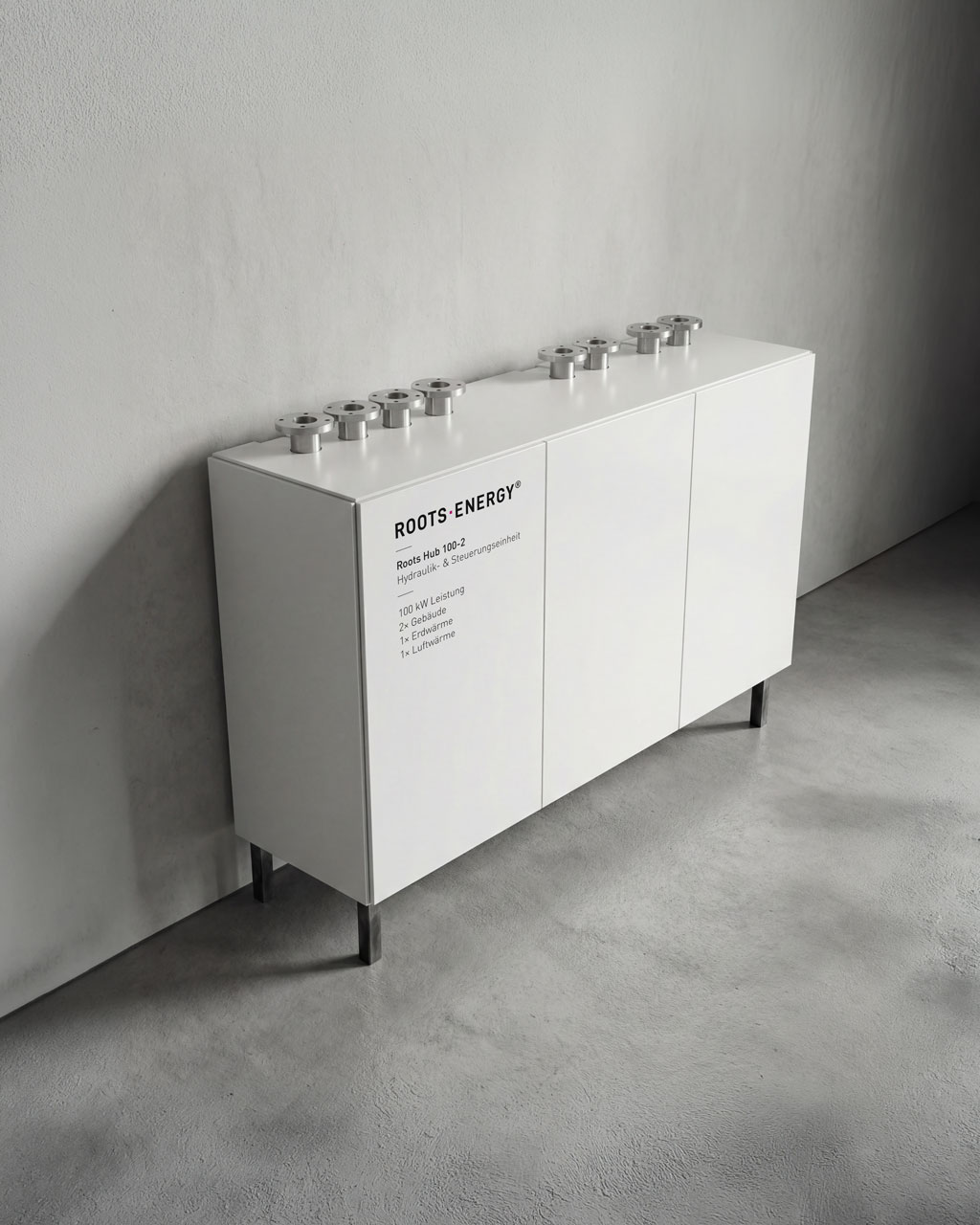
Roots·Hub, prefabricated hydraulic and control module
Modularisation

We translate complex installation and instrumentation and control technology into prefabricated, modular components. Because every building is different, each module must be simple and flexible at once. One of our most important results is the Roots·Hub, which replaces entire plant rooms in compact form.
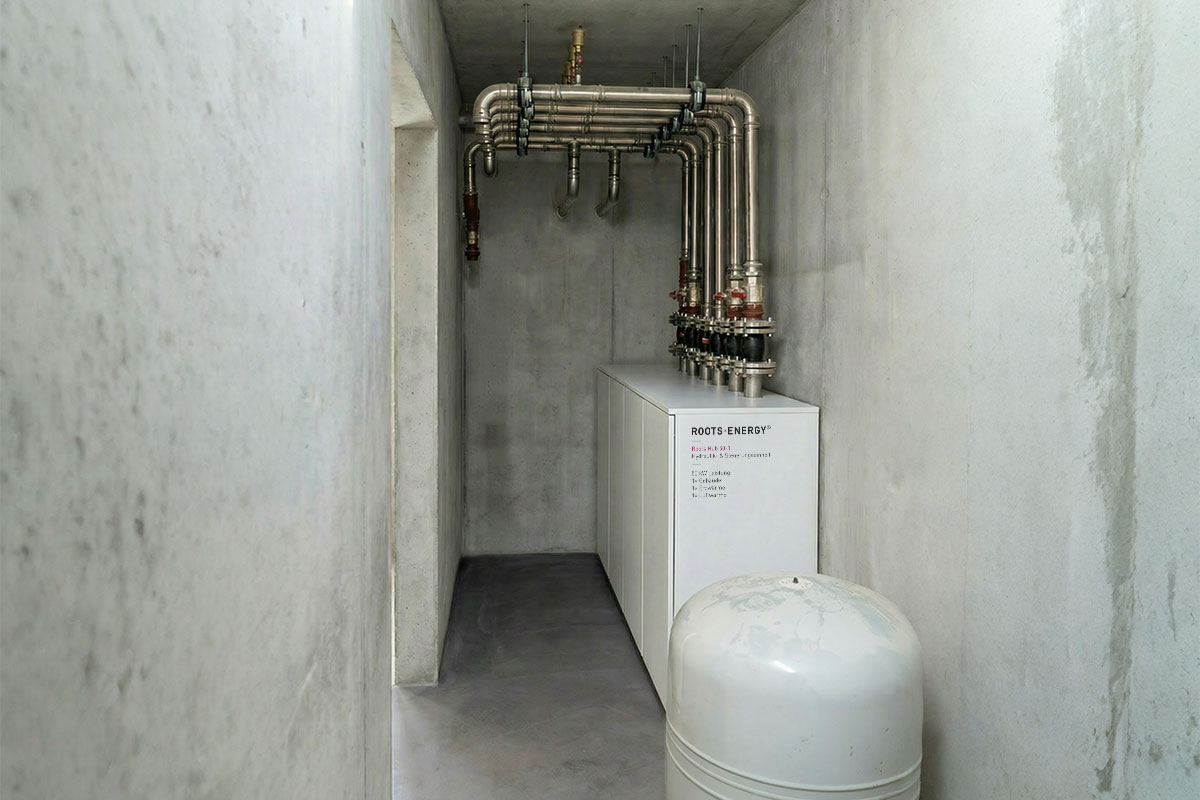
Roots·Hub 50-1 in an exposed-concrete plant room with standardised risers
Standardisation

One of the greatest effects of modularisation is that standards become possible. The focus is on radically simplified interfaces to the remaining project work, reduced to a few steps, and on the foundations for series production.

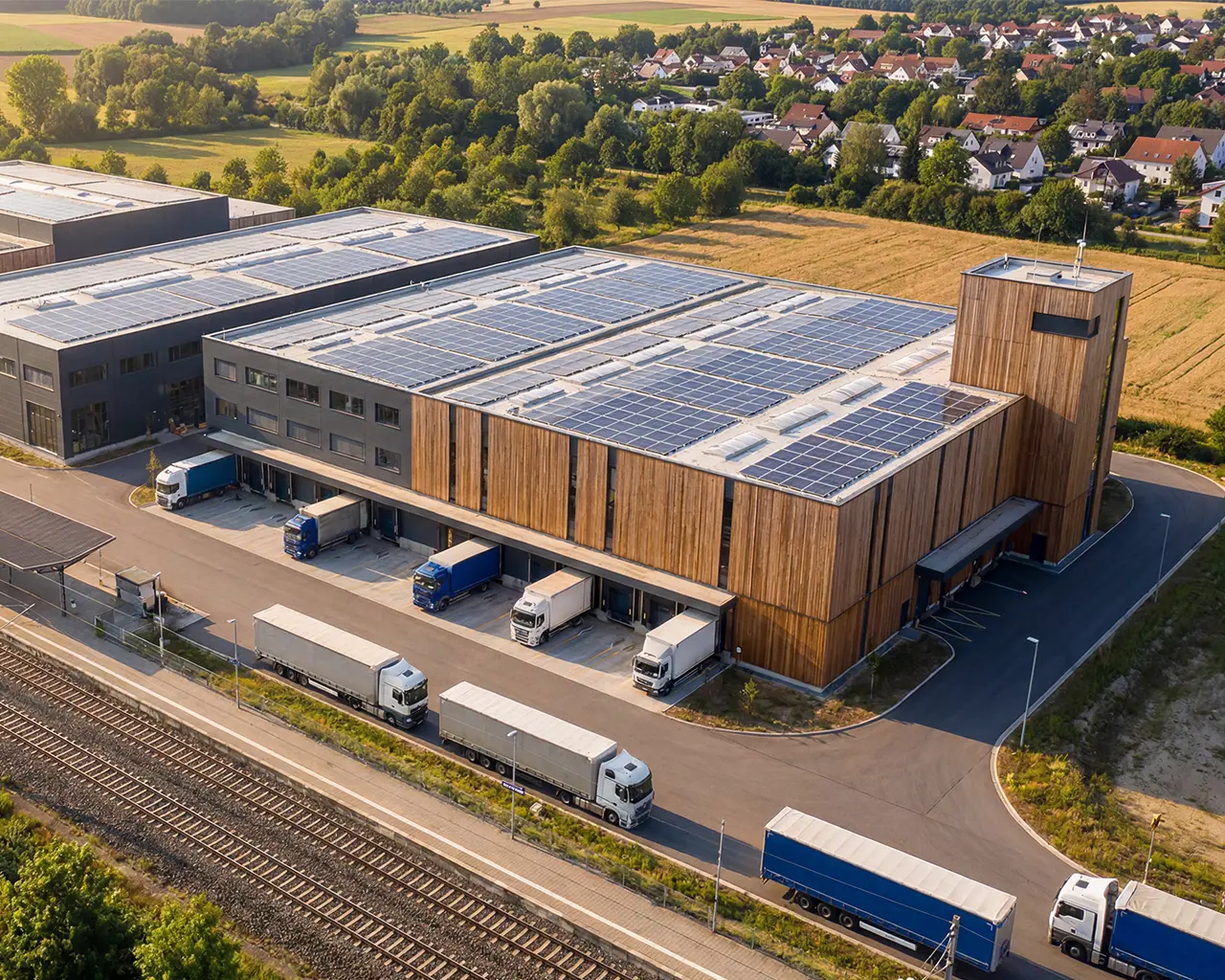
Aerial view of the production site, series production of the Roots components
Scaling

Building on the modular, standardised components, series production becomes possible. It captures economies of scale, allows higher unit numbers and lowers the marginal cost per component. This is how the heat transition can be delivered in large volumes.

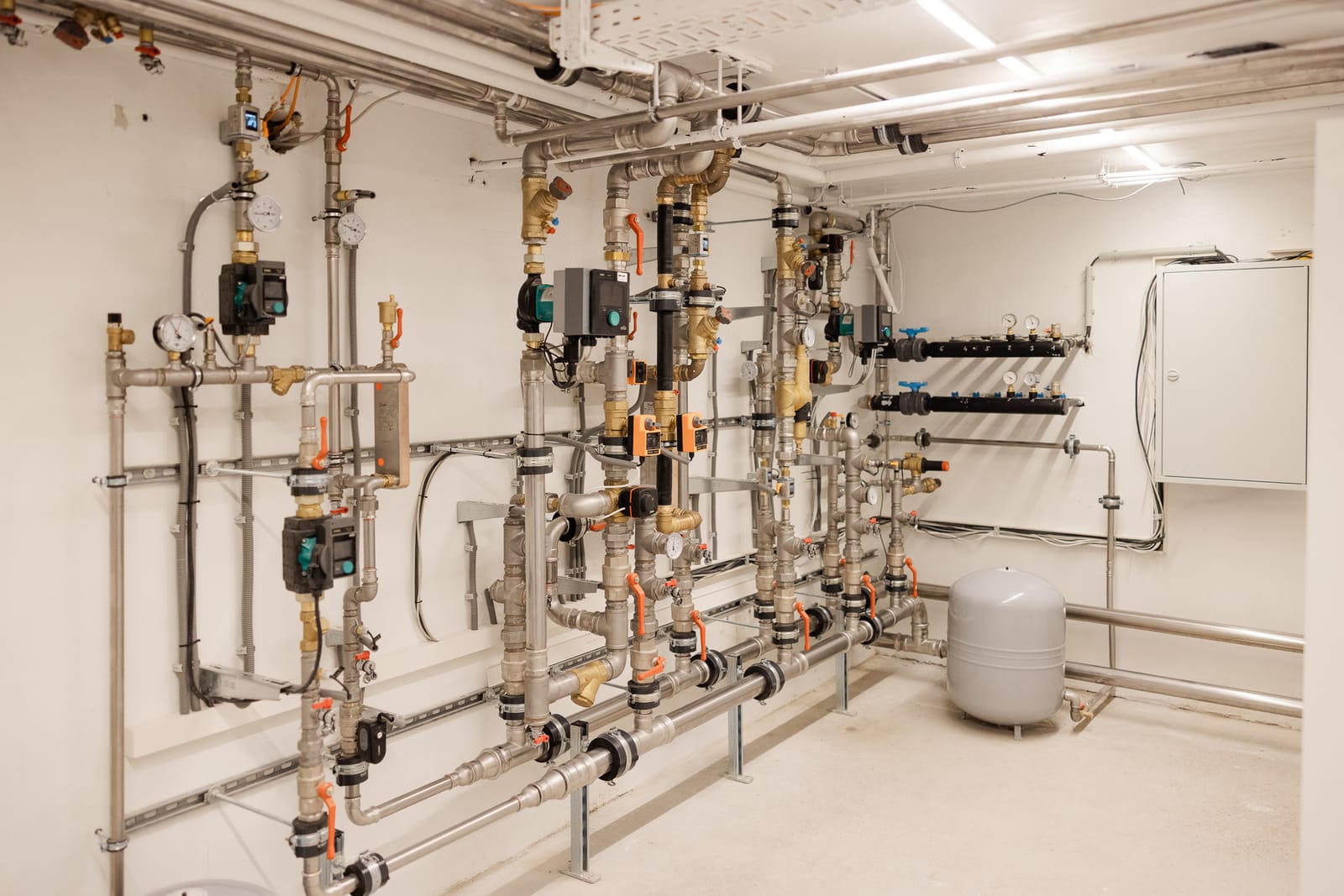
Plant room in the Roots·House with manifold, pumps and instrumentation and control technology

Vertically integrated test environment.

In the Roots·House we develop and test our own components as well as those of our partners. In a single test environment, almost all ambient heat sources, all emission-free heat generators and all forms of heat delivery are integrated.

Anyone who builds thermal infrastructure needs real infrastructure to develop, test and research. We have invested more than five million euros to work under these conditions.

The FFG is one of our most important partners and supports the development of the Roots urban heat system.

The Vienna Business Agency supported the development of a first-of-a-kind plant.

The Climate and Energy Fund co-financed the Roots·House under its "Beacons of the heat transition" programme

From the field.

These solutions have long been delivered on a large scale. The images here are impressions from delivery practice. Most of the effort is embodied in the products, the on-site project effort remains minimal.

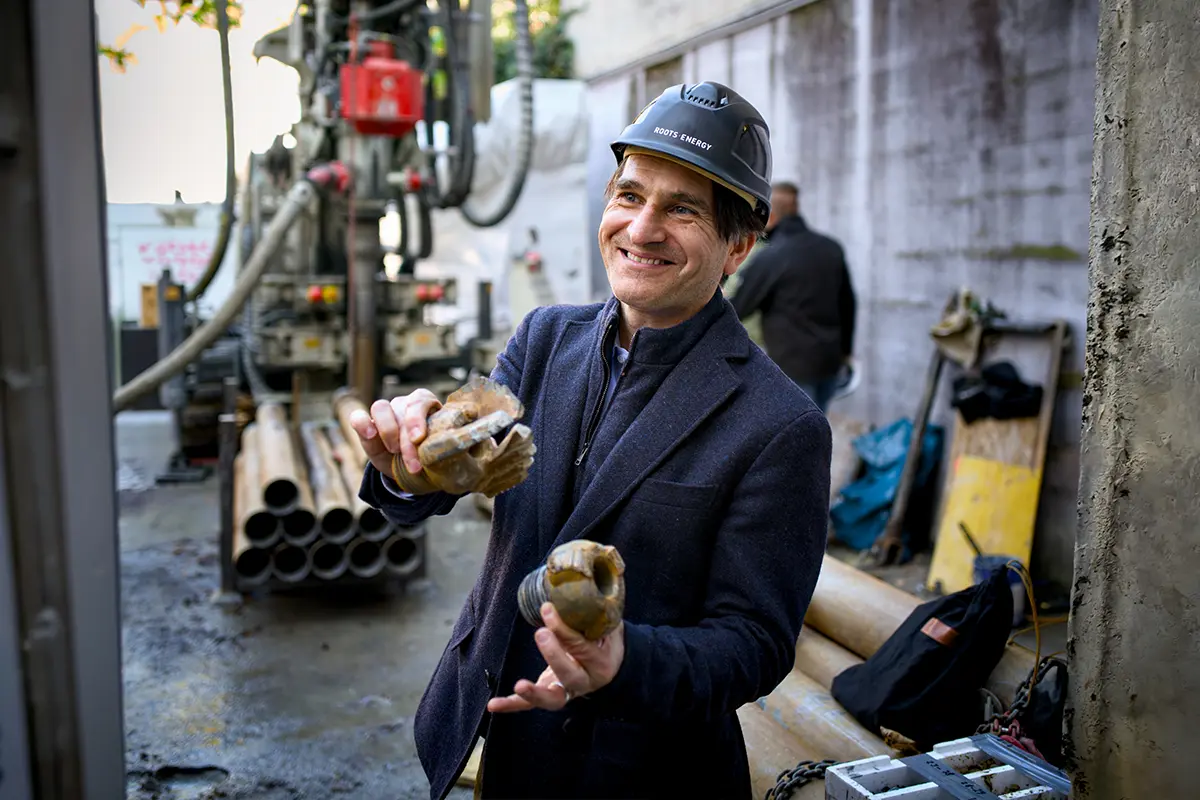
Person in a Roots·Energy helmet holding drill bits in front of the drilling rig
Drill bits from the deep borehole
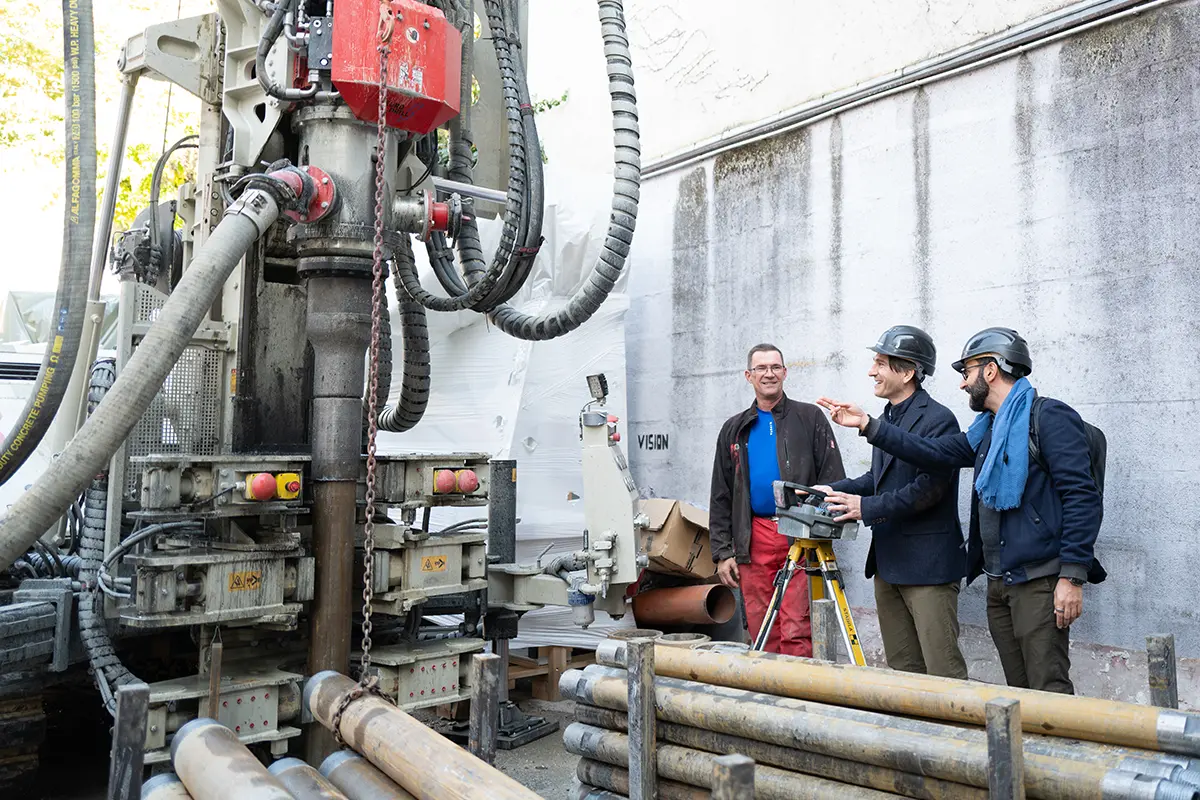
Drilling rig in the courtyard, taking measurements with a surveying instrument
Borehole drilling in the courtyard
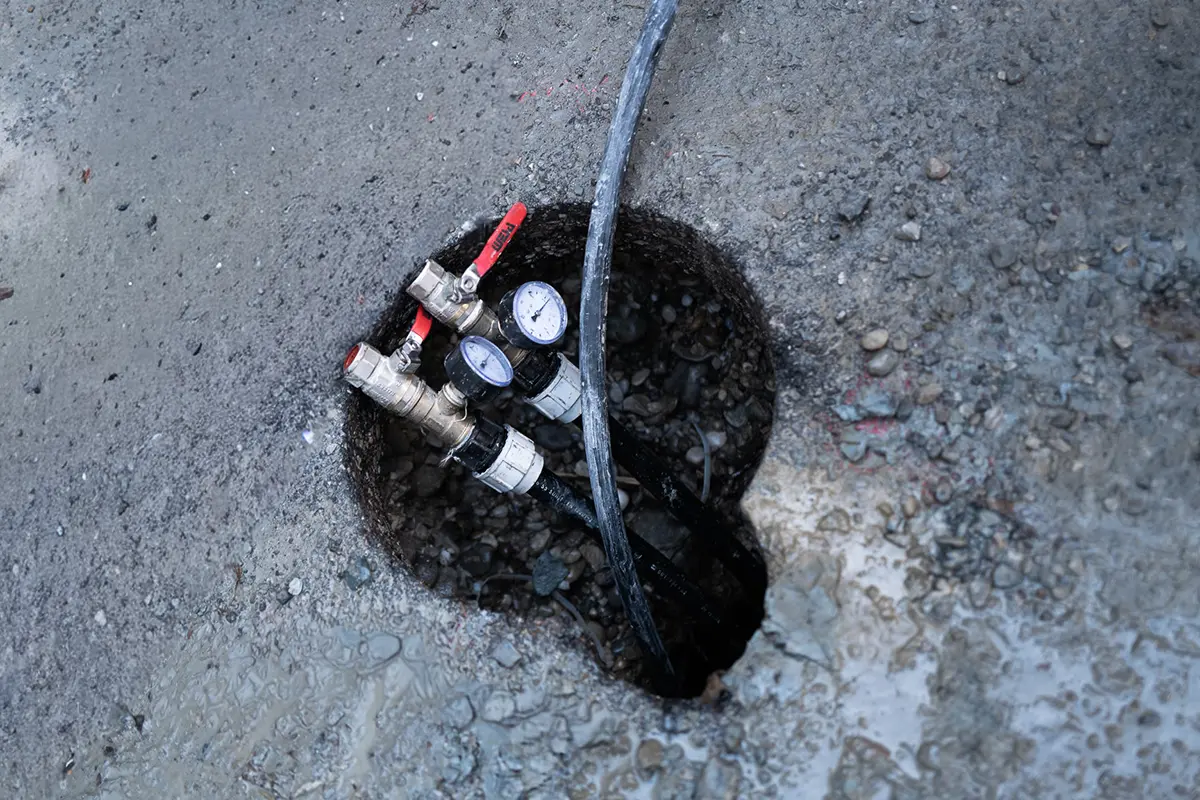
Probe head with manifold, isolation valves and pressure gauge at the finished borehole
Probe head with manifold and pressure test
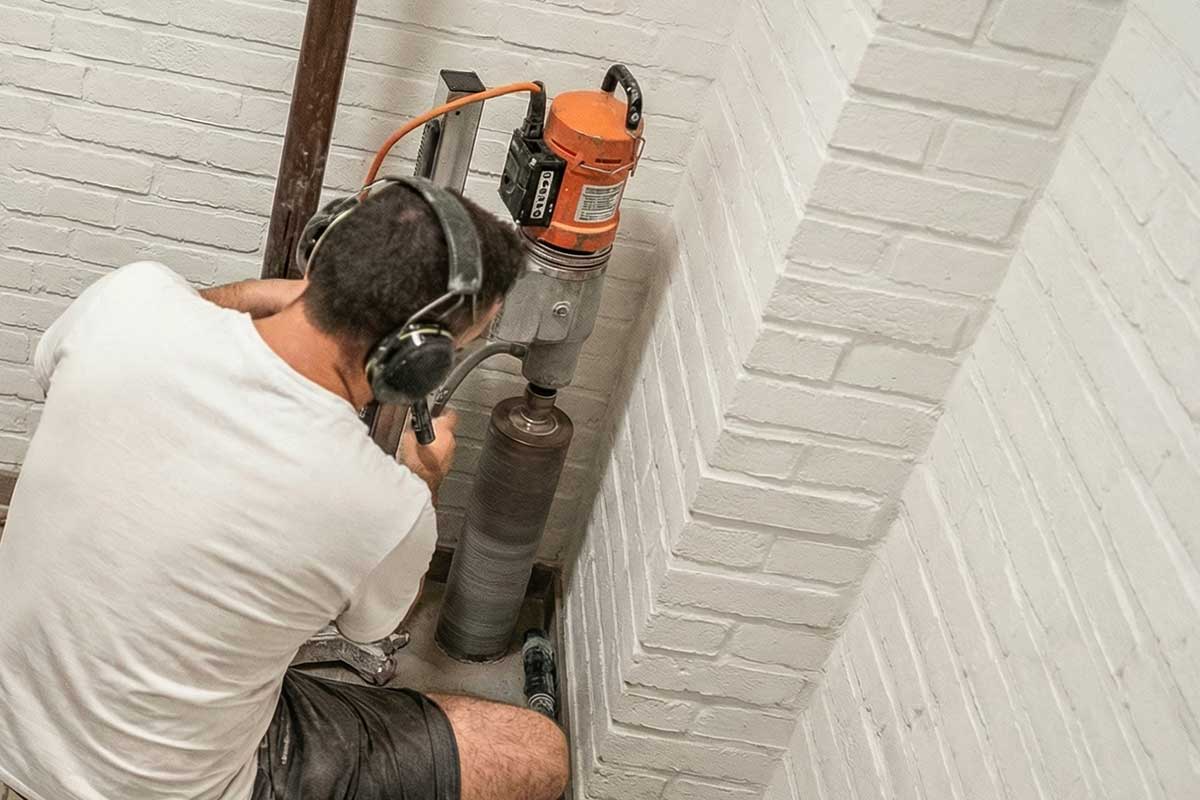
Worker with ear protection core-drilling through white-painted brickwork
Core drilling for brine lines
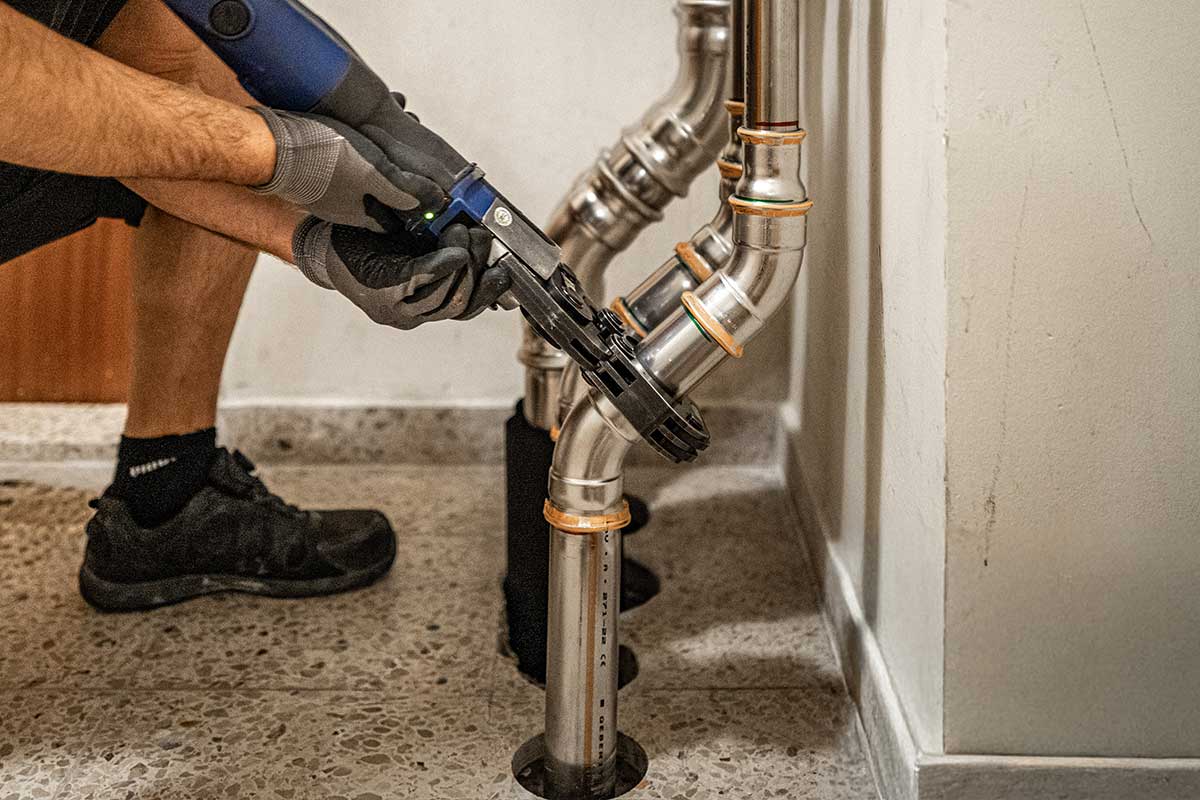
Press-fitting assembly of a stainless-steel pipes with press tool
Press-fitting assembly of the stainless-steel pipes
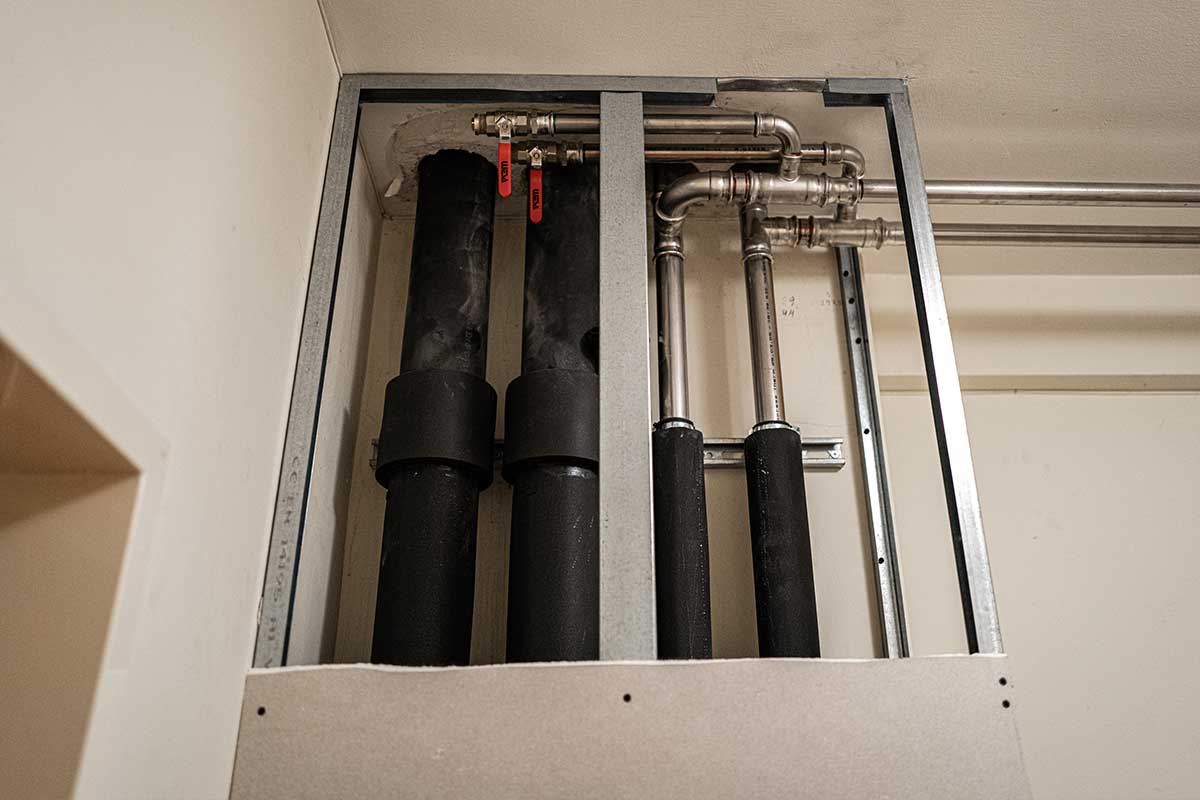
Insulated brine risers and stainless-steel pipes in a shaft construction
Insulated brine risers in the shaft
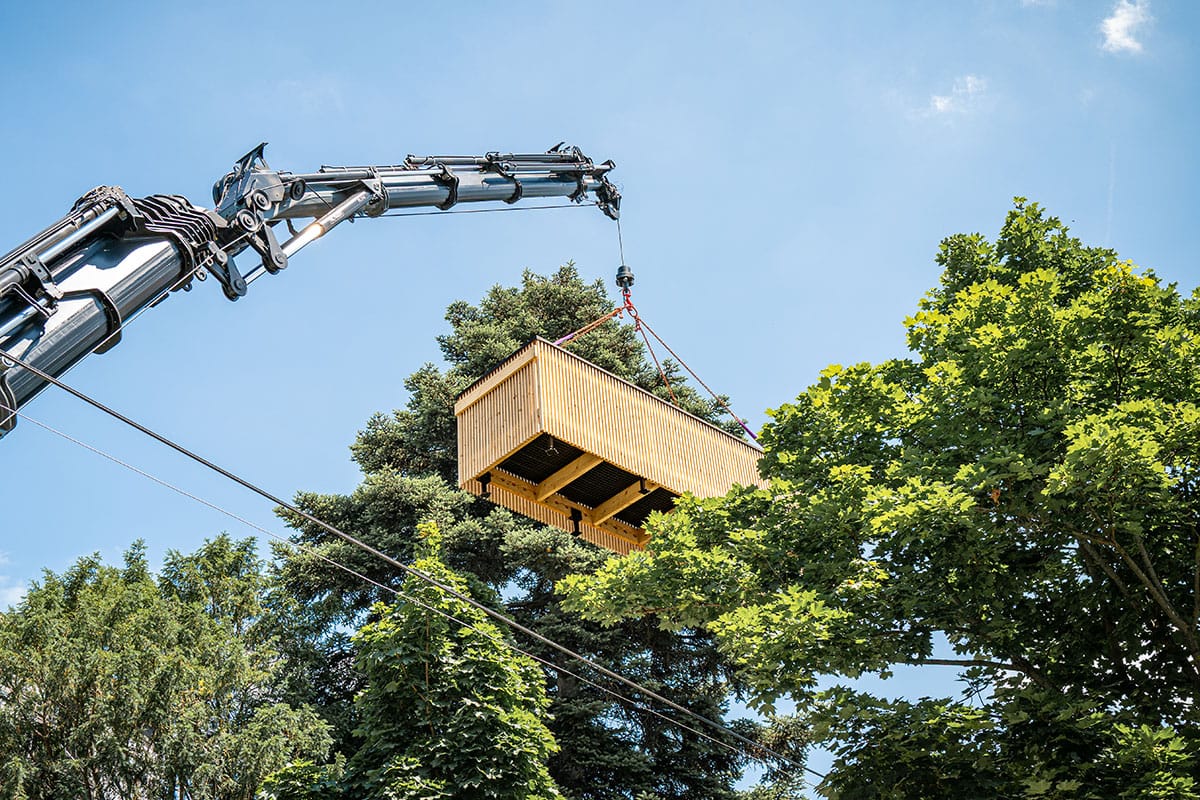
Crane lifting a prefabricated timber module above the treetops
Lifting a prefabricated module
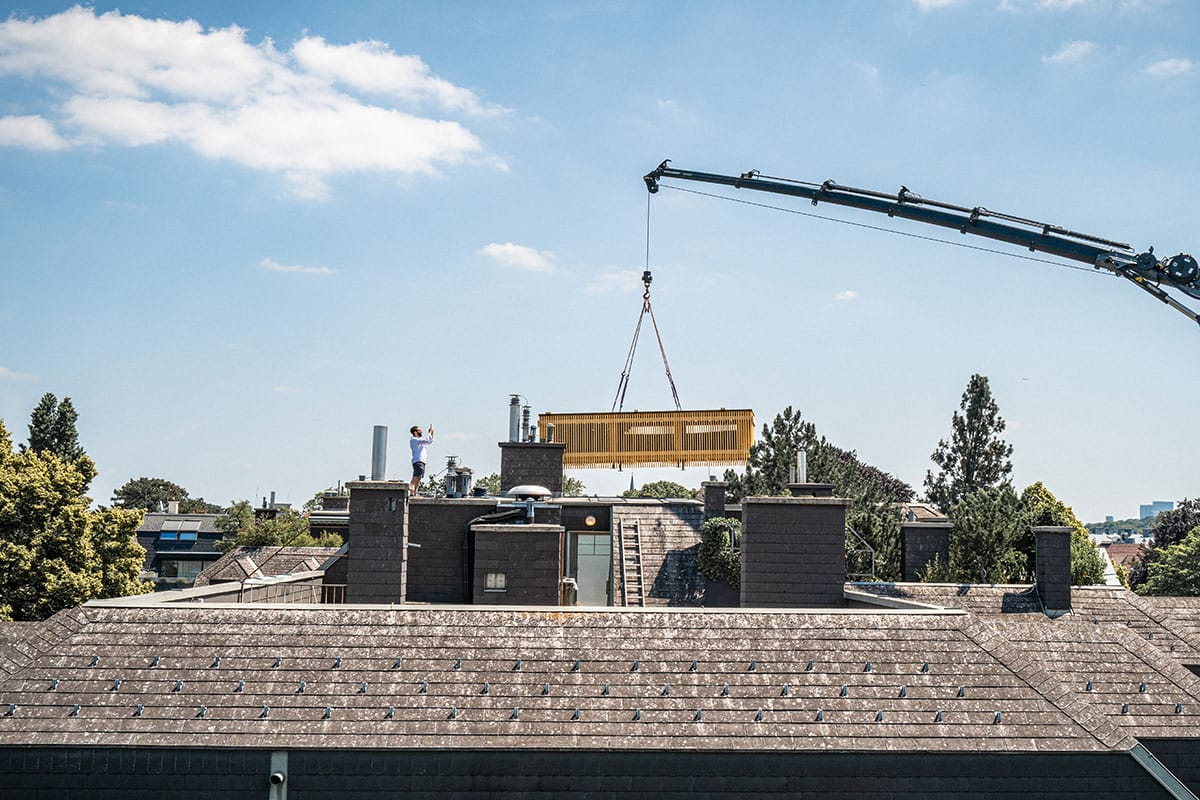
Crane placing a module onto the roof of an existing Viennese building
Hoisting onto the roof of an occupied existing building
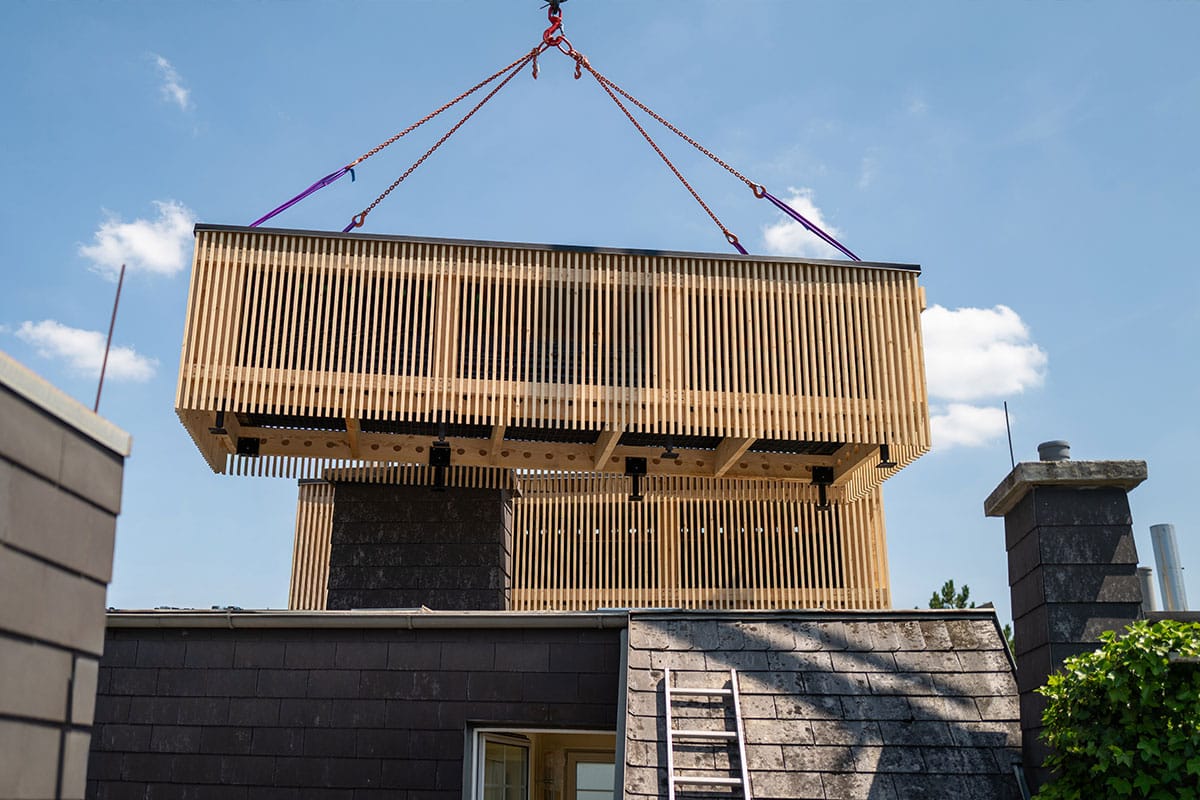
Prefabricated, timber-clad module just before being set down on the roof
Prefabricated module being set down on the roof
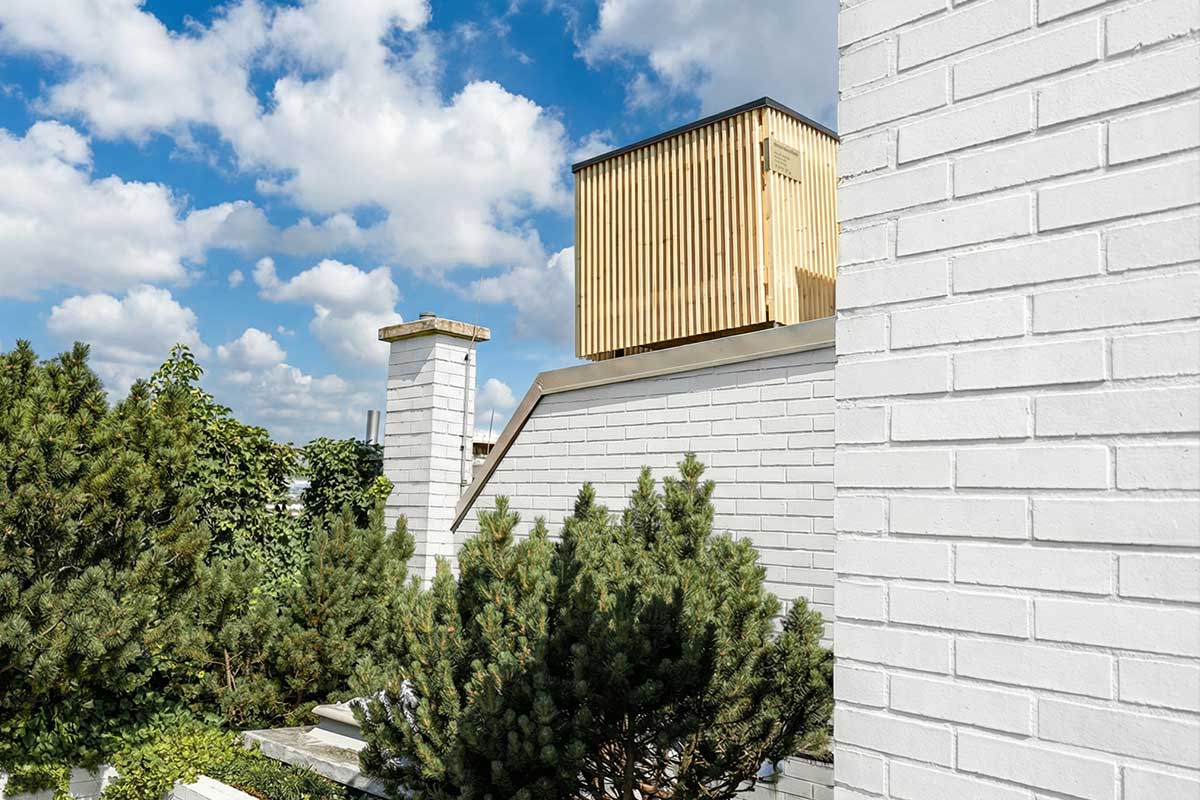
Passive air-source absorber on a roof against a blue sky
Air-source absorber on the roof
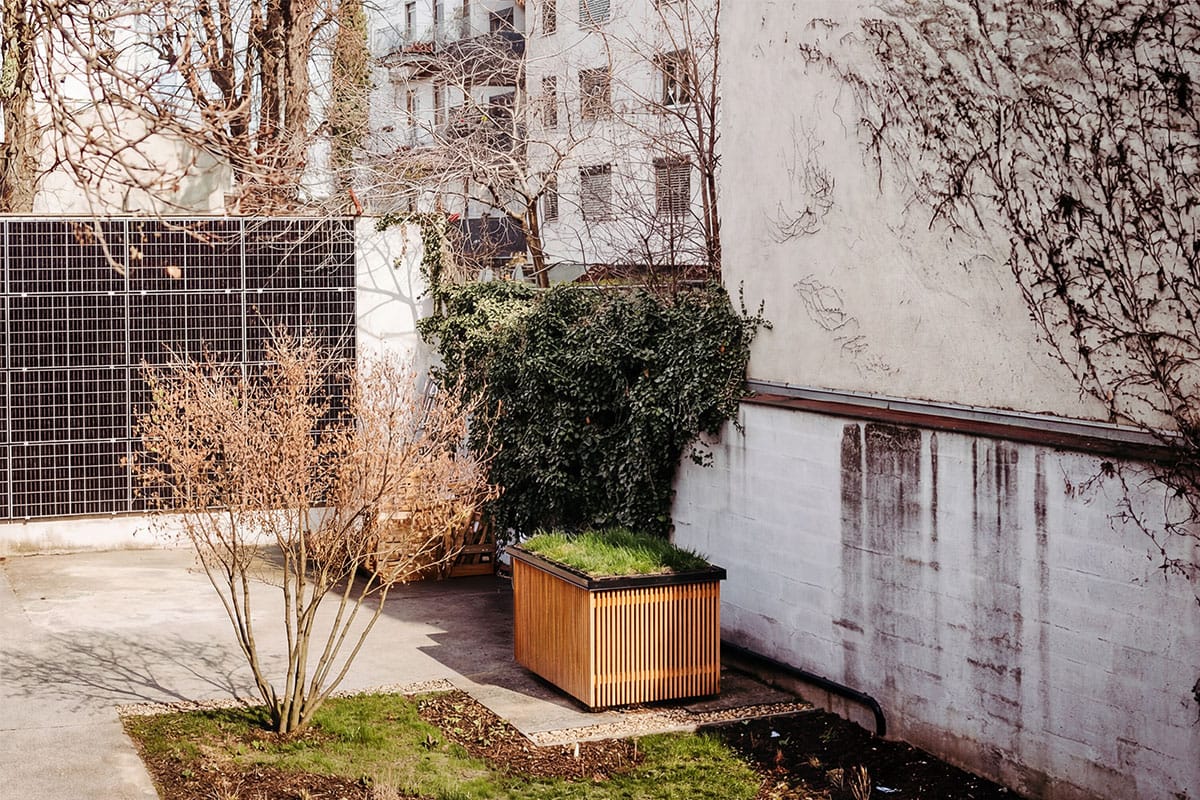
Absorber surface and clad module in the planted courtyard of a tenement building
Absorber surface in the courtyard
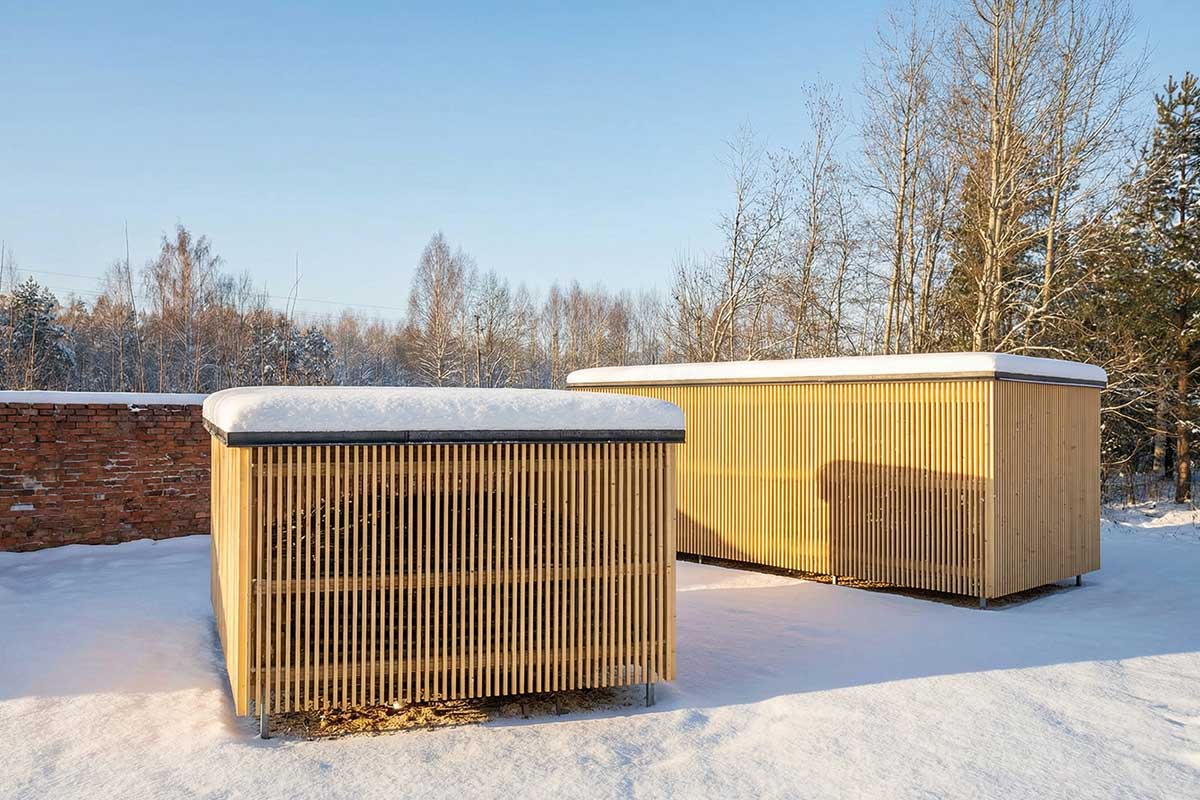
Two timber-clad air-source absorber modules
Air-source absorber modules
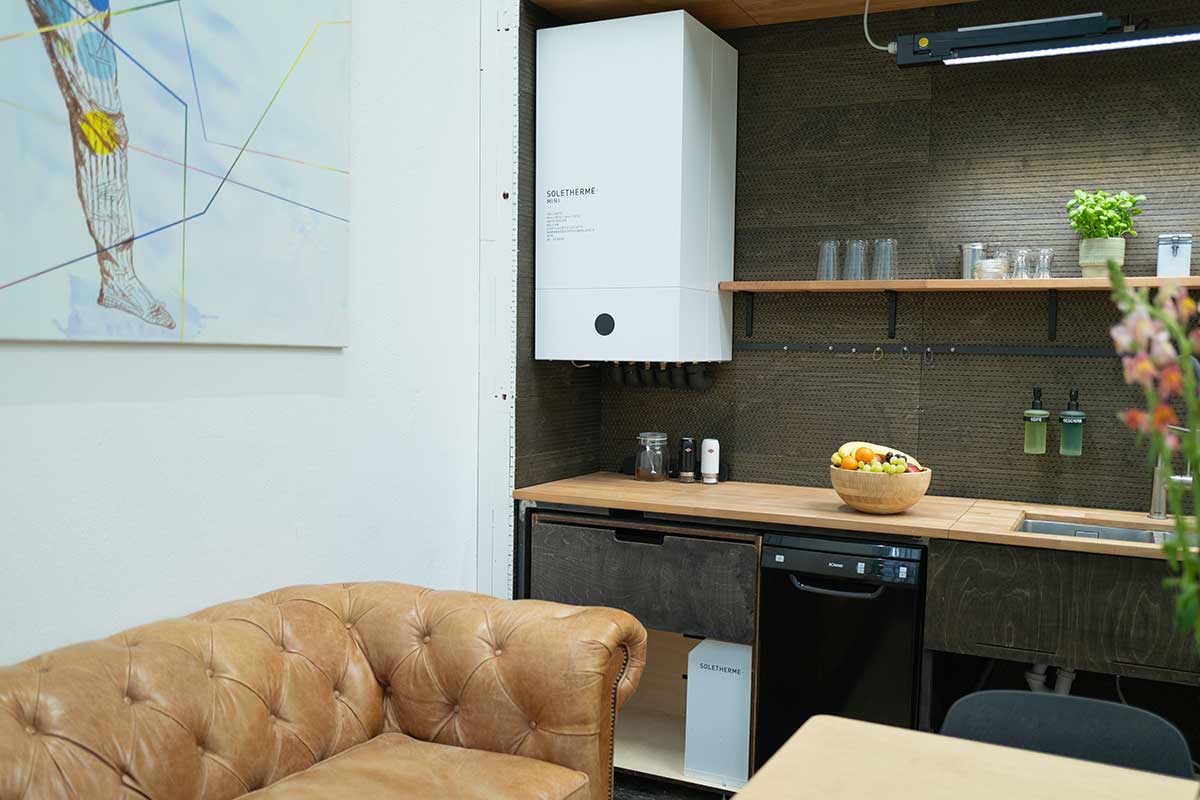
Wall-mounted brine-source mini heat pump
Brine heat pump wall-mounted
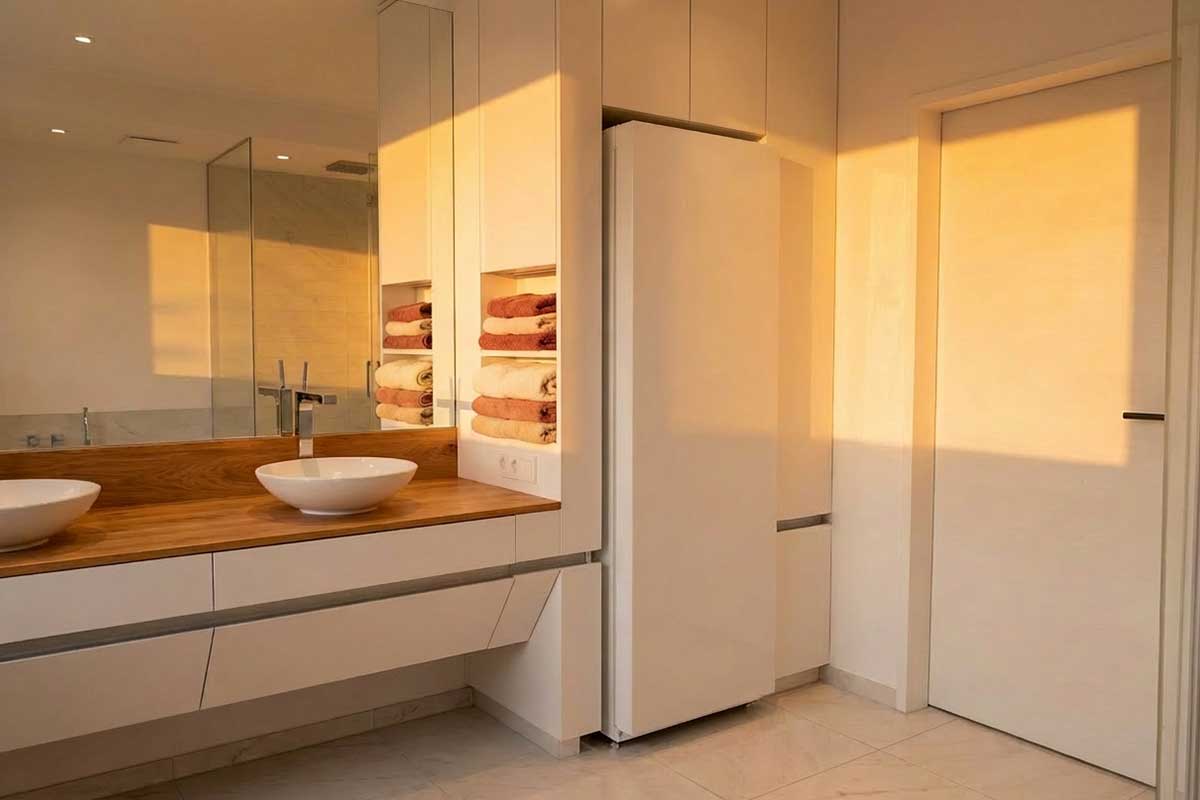
Bright living area with an invisibly integrated heat generator behind a fitted cupboard
Heat generator invisibly integrated
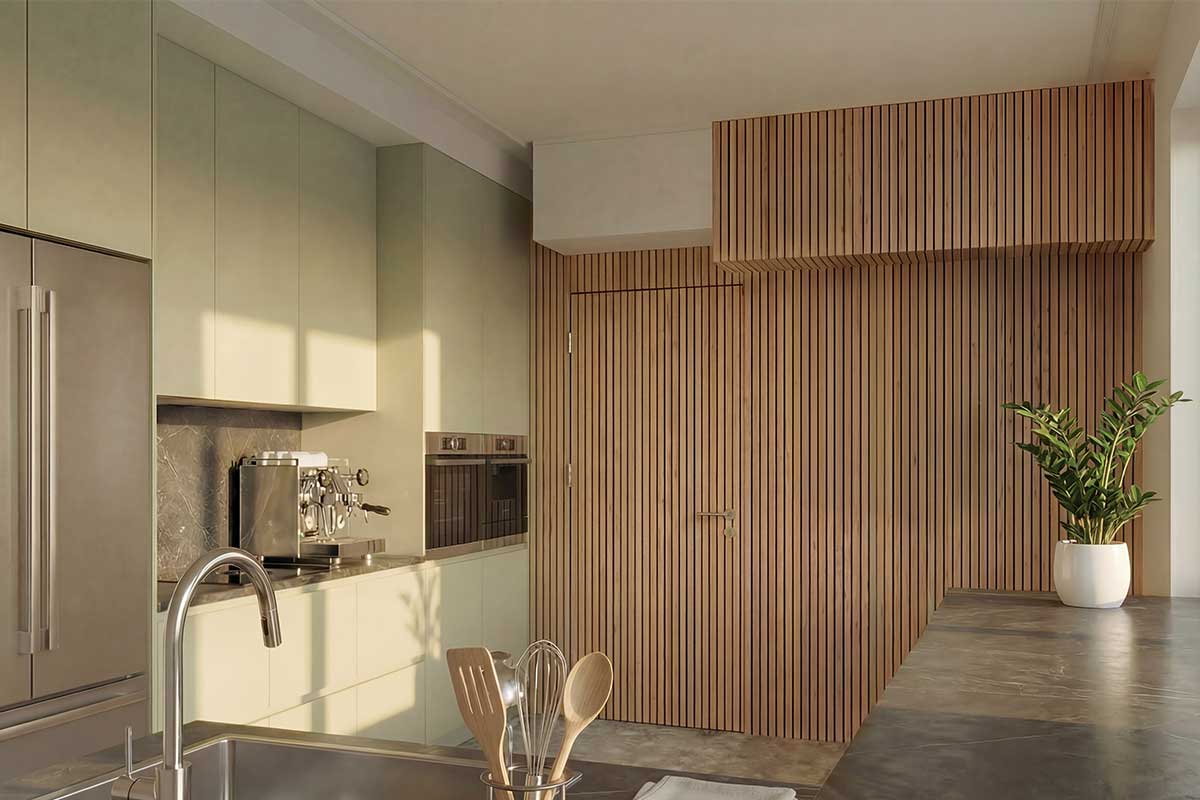
Kitchen-living room with timber-slat cladding behind which the technology disappears
Technology disappears behind cladding